













Skip to content
■ One local company for IT, Web & Marketing — fast response, no lock-in 1 (815) 334-0052
Service

Backups & Disaster Recovery

Backups only matter if they actually restore. BitNetica backup & disaster recovery gives your business automated, monitored, and regularly tested backups (local and cloud) so ransomware, hardware failure, or human error becomes a recovery, not a catastrophe.

The plan that saves your business

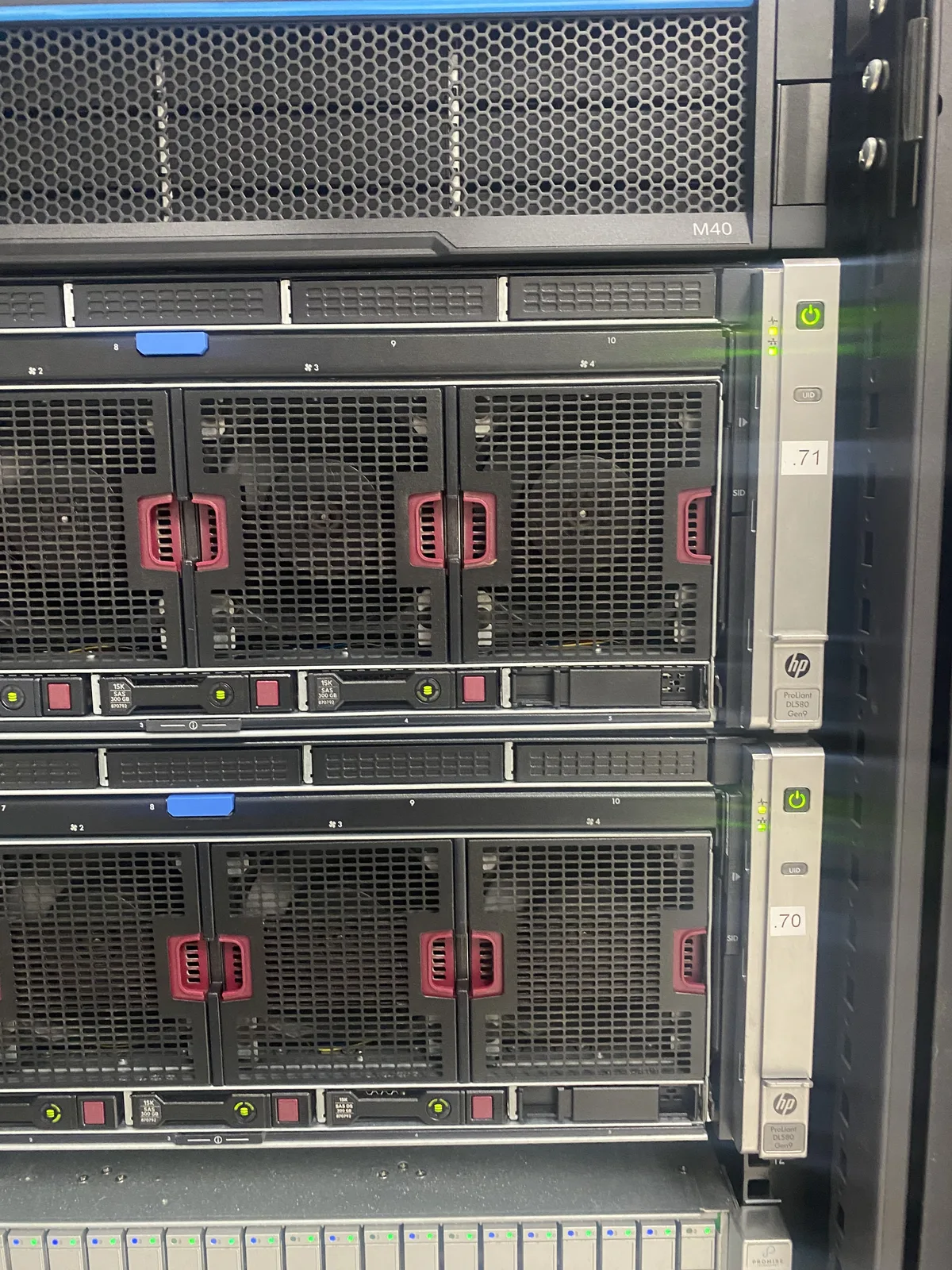
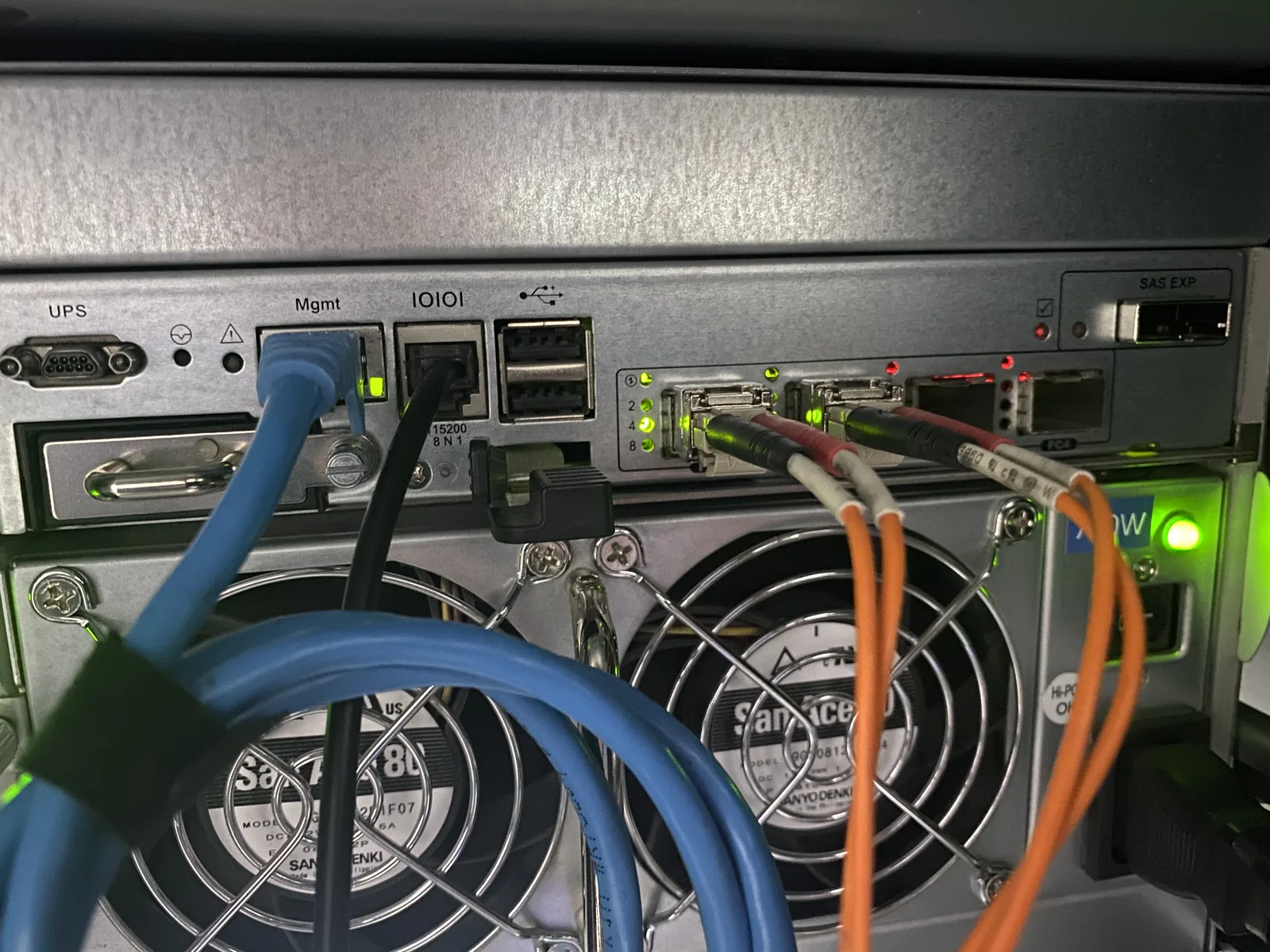
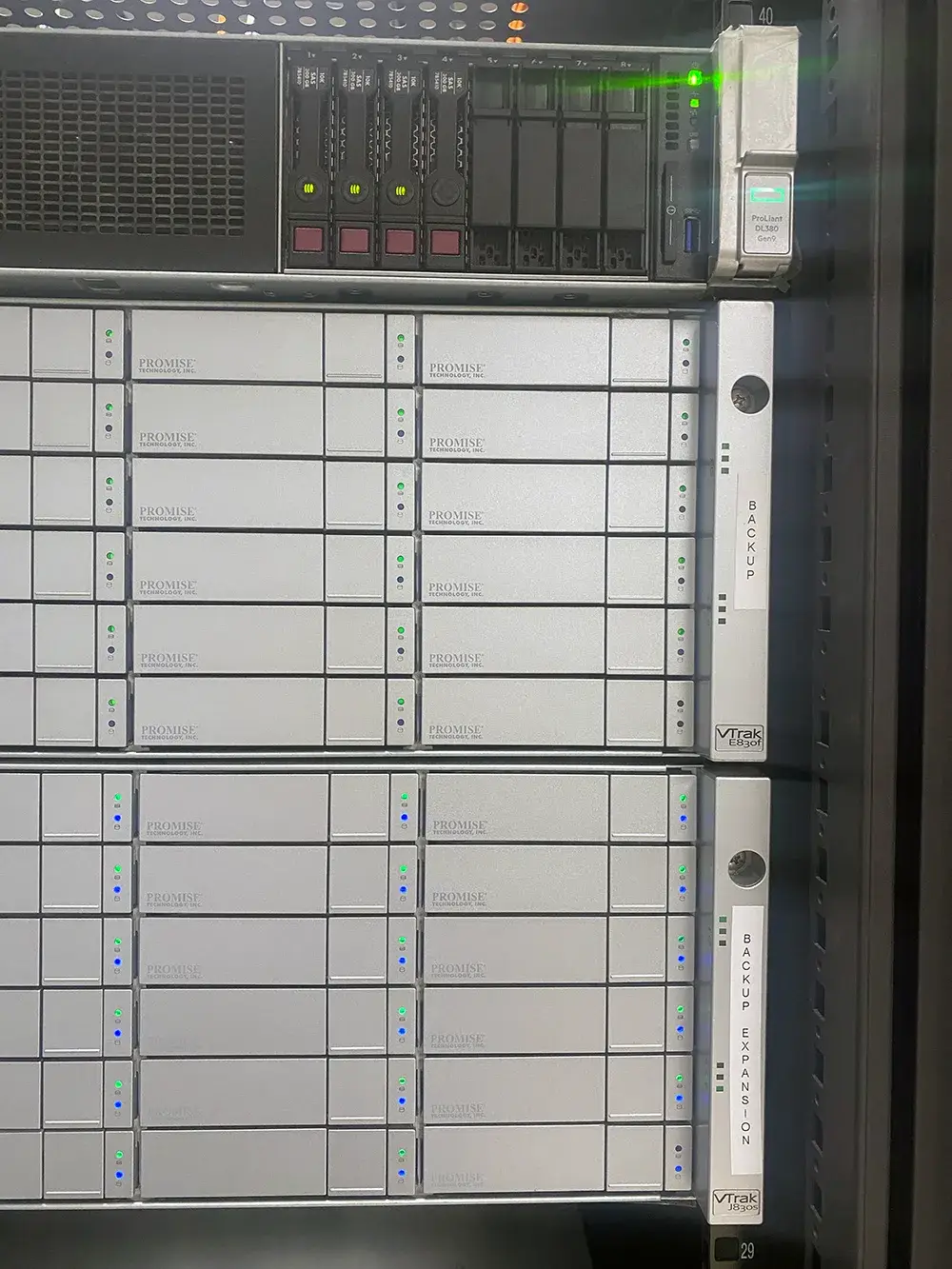
Every business believes its data is backed up, until the day it needs to restore. Half-configured backup jobs, full drives, and untested restores are among the most common (and most devastating) discoveries we make in new environments. We do it properly: automated backups on a schedule that matches how much data you can afford to lose, following the 3-2-1 rule: three copies, two types of storage, one off-site in the cloud.

Then we prove it works. Every job is monitored, and we perform regular test restores, because a backup that’s never been restored is just a hope. Our founder designed enterprise disaster-recovery systems with Veeam, tape and cloud replication, and a dedicated remote recovery site, and kept a $60M company running through the 2008 recession and the COVID-19 pandemic. Your business gets that same discipline, sized and priced for small business.

What's included

  • Automated backups with Veeam and Acronis: servers, workstations, and Microsoft 365
  • Local + cloud copies following the 3-2-1 rule
  • Monitoring & alerts so failed jobs never go unnoticed
  • Regular test restores: we prove recovery before you need it
  • Disaster recovery planning so you know exactly how you’d get back up
  • Ransomware-resilient design with protected, immutable copies

Prevention and recovery are two halves of the same shield, see our Cybersecurity services for the prevention half. Want to know if your current backups would actually save you? Book a free backup review and find out before it matters.

3-2-1, and actually tested

The rule is simple: three copies of your data, on two different types of storage, with one copy off-site, and at least one copy immune to ransomware that gets inside your network. What separates a real backup strategy from a checkbox is testing. Backup software is happy to report success for months while quietly producing restores that fail. We schedule test restores and document the results, so “can we recover?” is a question with evidence behind it, not optimism. Abe built disaster-recovery systems with Veeam, tape, cloud replication, and a remote recovery site at enterprise scale; your business gets that same discipline at small-business size.

RTO and RPO, in plain English

Two numbers define your plan. Recovery Time Objective: how long can you afford to be down, an hour, a day, a week? Recovery Point Objective: how much recent work can you afford to lose, fifteen minutes, or since last night? A dental office and a machine shop answer differently, and their backup designs should too. We help you pick honest numbers, then build to them: local backups for fast restores of everyday mistakes, cloud copies for site-level disasters, and, critically, protection for your Microsoft 365 mail and files, which Microsoft does not back up for you.

When the bad day comes

A disaster-recovery plan is a written procedure, not a vague intention: who calls whom, what restores first, where your team works if the office is dark, and how customers stay informed. We write that runbook with you, keep it current, and rehearse the critical paths. Clients tell us the plan pays for itself in sleep alone, but the real payoff is the day a crypto-locked server or a burst pipe becomes an inconvenient afternoon instead of an existential threat. Pair this with our cybersecurity service and you have both halves: making the bad day unlikely, and making it survivable.

Backups that ransomware can't reach

Modern ransomware hunts backups first, encrypting or deleting them before revealing itself, which is why a copy on the same network is a comfort, not a protection. Our designs include immutability: cloud copies that cannot be altered or erased during their retention window even with stolen admin credentials, and where warranted, offline copies air-gapped from the network entirely. It’s the difference between negotiating with criminals and restoring around them.

From files to full failover

Protection scales to what downtime costs you. Every plan covers files and Microsoft 365 data. Server image backups add whole-machine restores (onto repaired hardware, a loaner, or a cloud virtual machine) so a dead server becomes a re-route instead of a rebuild. For businesses where hours down means real money, we design standby options that bring core systems back the same day. You choose the tier with eyes open, because we price the alternatives against what an outage actually costs your operation.

What it costs, plainly

Backup pricing follows data volume and recovery speed: a straightforward office protecting files and mailboxes spends modestly per month; image-based server protection with cloud copies costs more; rapid-failover designs more still. Every option is quoted flat, in writing, alongside the recovery time it buys, so the decision is a business calculation, not a leap of faith. And unlike insurance, this policy gets tested: you’ll see your own data restored before you ever need it in anger.

Ask yourself one question: if the office server were gone tomorrow (theft, fire, ransomware, a failed drive with no warning) how would Tuesday actually go? If the honest answer involves guessing, that’s the gap this service closes. One conversation maps your risks; one engagement closes them; and from then on, the worst day your business can imagine has a written, rehearsed, boring procedure attached to it. Boring, on that day, is the entire point.

FAQ

Backups & Disaster Recovery: common questions

What happens to my data if we get hit by ransomware?

With a tested backup and disaster-recovery plan, we restore your systems from clean backups and you're back in business fast. Without one, businesses face days of downtime, permanent data loss, or paying a ransom with no guarantee. The plan is the difference.

How often should backups run — and where should they go?

Critical data should back up at least daily, following the 3-2-1 rule: three copies, on two different types of storage, with one off-site (cloud). We design retention and frequency around how much data your business can actually afford to lose.

How do I know my backups actually work?

You test them — that's the part most providers skip. We monitor every backup job and perform regular test restores, because a backup that's never been restored is just a hope. When we manage your backups, you'll know they work before you ever need them.

Service area

Backups & Disaster Recovery across our region

We deliver this service on-site and remotely throughout McHenry County, the NW suburbs, and SE Wisconsin.

Ready to make your technology an advantage?

Free consultation, honest answers, no obligation.